
The psychology behind risk-taking in gambling behavior
Understanding Risk-Taking in Gambling
The psychology behind risk-taking in gambling is complex and multifaceted. At its core, risk-taking behavior involves the willingness to engage in activities that offer uncertain outcomes, often with the lure of potential rewards. This behavior can be linked to various psychological factors including excitement, thrill-seeking, and the desire for instant gratification. The prospect of winning large sums of money often ignites the brain’s reward centers, prompting individuals to take greater risks than they might in other areas of their lives. To kick off your gaming adventure, consider the MafiaCasino casino promo code that offers enticing bonuses and free spins.
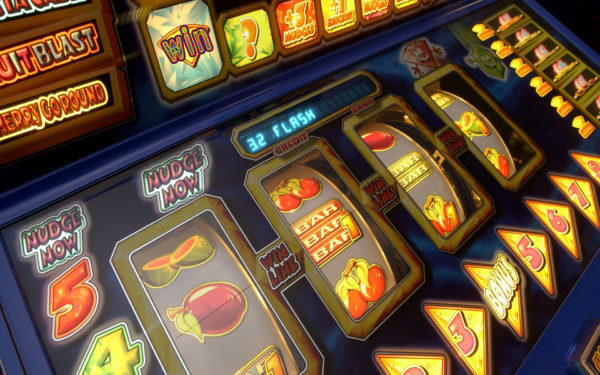
Furthermore, gambling can tap into cognitive biases, such as the illusion of control and the gambler’s fallacy, where individuals believe they can influence outcomes that are inherently random. These psychological mechanisms can lead to overconfidence in one's abilities to predict winning outcomes, increasing the likelihood of continued participation in gambling activities despite previous losses.
The Role of Social Influences
Social influences play a significant role in shaping gambling behaviors. People often engage in gambling not only for financial gain but also for social interaction and communal experience. Casinos and online gaming platforms create environments that foster social connections, which can enhance the enjoyment of gambling. Observing others win can also create a bandwagon effect, encouraging more individuals to join in, driven by peer pressure and the desire for social acceptance.
Moreover, social interactions during gambling can lead to the development of shared rituals and narratives that reinforce the behavior. Individuals may find comfort and validation in their gambling experiences when discussed among friends or within social groups, making them more likely to engage in risk-taking behavior as a collective experience rather than an isolated one.
The Influence of Emotion and Arousal
Emotions significantly influence gambling behavior, particularly when it comes to risk-taking. High levels of excitement and arousal can heighten the desire to gamble, as individuals often seek out these stimulating experiences. The rush of winning, coupled with the anxiety of losing, creates a unique emotional rollercoaster that can be addictive. This interplay between emotions can lead to a cycle of risk-taking, where the highs encourage continued participation while the lows are rationalized or forgotten in the pursuit of the next win.
Additionally, negative emotions such as stress, boredom, or depression can drive individuals to gamble as a form of escape. In these cases, the act of gambling becomes a coping mechanism, further complicating the relationship between risk-taking and psychological well-being. Understanding these emotional triggers is crucial for addressing problematic gambling behaviors.
The Impact of Cognitive Biases
Cognitive biases significantly affect gambling decisions, often leading to irrational risk-taking. The illusion of control bias causes gamblers to believe they can influence outcomes, particularly in games of skill. This false sense of agency can lead individuals to take larger risks than warranted, often resulting in financial losses. Similarly, the gambler's fallacy leads individuals to think that past outcomes can influence future events, prompting continued betting despite unfavorable odds.
These biases can create a feedback loop that reinforces gambling behavior. When individuals perceive themselves as "due" for a win, they may increase their bets, convinced that luck will soon be on their side. This pattern of thinking can lead to significant financial consequences and a deeper entrenchment in gambling behavior, making it challenging to break free from the cycle.

Exploring Online Gambling Environments
In the modern era, online gambling platforms have transformed the landscape of risk-taking in gambling. Sites such as Mafia Casino offer a vast array of gaming options, catering to various preferences and risk tolerances. The convenience of online access can lead to increased gambling frequency, as players can engage in games anytime and anywhere. This constant availability can amplify risk-taking behaviors, as the barriers to entry are significantly lowered.
Moreover, the online gambling experience often includes features that enhance the thrill of risk-taking, such as live dealer games and interactive interfaces. These elements create a more immersive experience, further enticing players to take risks. Understanding the dynamics of these online environments is essential for both players and regulators to promote responsible gambling practices and mitigate the potential for harmful risk-taking behaviors.
No Comments.